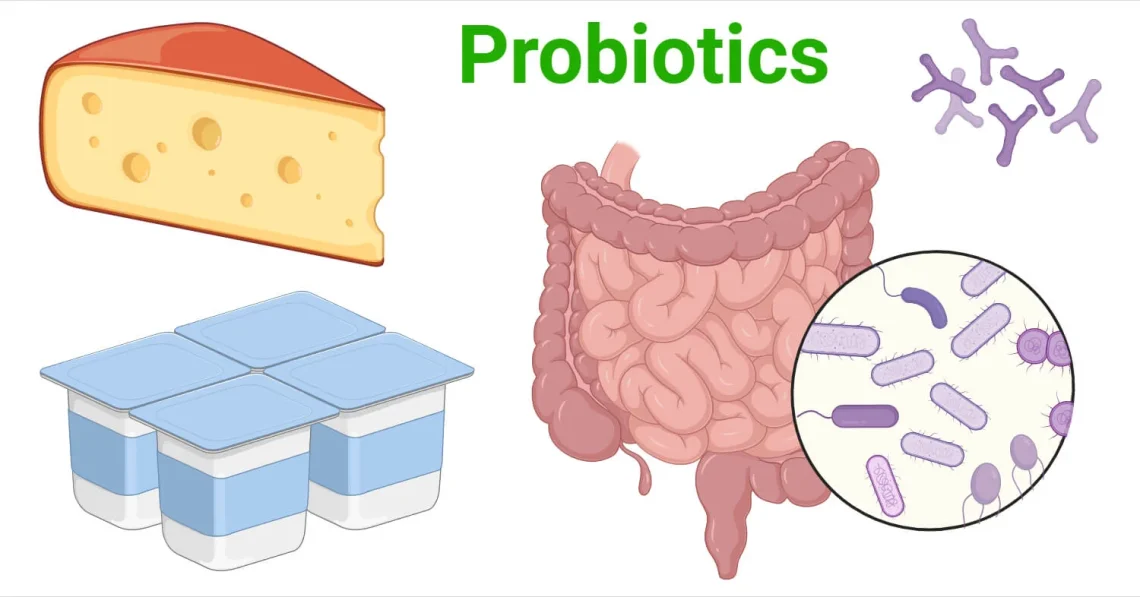
For a long time, I thought gut health was only about digestion. But the more I learned, the more I realized that probiotics play a much bigger role. These beneficial bacteria don’t just keep the stomach happy—they influence the brain, emotions, and overall well-being. For me, discovering this gut-brain link felt like unlocking a hidden key to mental clarity and emotional balance.
What excites me most is how these gut-friendly microbes work silently every day. They help absorb nutrients, reduce inflammation, and even support neurotransmitter production. I’ve noticed that when I include foods rich in healthy flora, such as yogurt, kefir, or kimchi, my focus improves and my mood feels lighter. It’s a reminder that what I eat doesn’t just fuel my body—it actively shapes how my mind works.
In this guide, I’ll share 10 powerful benefits of probiotics for brain and gut health. Each benefit shows how these live cultures protect memory, reduce stress, and sharpen cognitive function. My hope is that these insights inspire you to embrace the power of probiotics in daily life, because supporting gut balance is also supporting mental strength.
Contents
- 1. Probiotics Support a Healthy Gut-Brain Connection
- 2. Probiotics Enhance Memory and Learning Abilities
- 3. Probiotics Help Reduce Stress and Anxiety Levels
- 4. Probiotics Improve Digestion and Nutrient Absorption
- 5. Probiotics Strengthen the Immune System for Better Brain Health
- 6. Probiotics Boost Serotonin and Elevate Mood Naturally
- 7. Probiotics Sharpen Cognitive Function and Focus
- 8. Probiotics Reduce Inflammation and Protect Against Brain Fog
- 9. Probiotics Promote Long-Term Gut and Mental Wellness
- 10. Probiotics Are Easily Found in Everyday Fermented Foods
- My Final Thoughts For Probiotics
- References
1. Probiotics Support a Healthy Gut-Brain Connection
When I first learned about the gut-brain connection, I was amazed. The brain and digestive system constantly communicate, and probiotics help keep that communication smooth. These beneficial bacteria influence neurotransmitter production, mood balance, and even decision-making. For me, realizing that what happens in my gut directly impacts my mind was life-changing. Eating foods rich in gut-friendly microbes feels like fine-tuning the dialogue between my stomach and brain. It’s proof that when we nurture the gut, we also nurture mental clarity, emotional stability, and resilience against stress.
2. Probiotics Enhance Memory and Learning Abilities
I used to think memory training was just about practice, but now I know diet plays a big role too. Studies show that probiotics can improve memory and learning by reducing inflammation and supporting neurotransmitter balance. For me, including healthy flora like yogurt or kefir in my daily routine feels like giving my brain extra tools to store and recall information. These live cultures help create an environment where neurons communicate more effectively. It’s comforting to know that something as simple as food can strengthen both short-term focus and long-term memory.
3. Probiotics Help Reduce Stress and Anxiety Levels
Stress used to feel overwhelming until I understood the role of the gut. Probiotics influence the production of serotonin and GABA, chemicals that calm the nervous system. For me, adding gut-friendly microbes to my diet feels like a natural way to lower anxiety without relying only on external fixes. I’ve noticed that when my digestion is balanced, my mind feels calmer too. These beneficial bacteria remind me that emotional health is deeply tied to gut health. Supporting the gut helps me respond to challenges with more stability and less tension.
4. Probiotics Improve Digestion and Nutrient Absorption
Healthy digestion is the foundation of overall wellness, and probiotics are key to keeping it strong. These live cultures help break down food, improve nutrient absorption, and reduce issues like bloating or discomfort. For me, a balanced gut feels like freedom—allowing me to enjoy meals without worry. By supporting healthy flora, I’m not just helping my stomach; I’m ensuring that my brain receives the vitamins and minerals it needs to function at its best. Better digestion means better fuel for the body and clearer energy for the mind.
5. Probiotics Strengthen the Immune System for Better Brain Health

I never realized how much the immune system affects the brain until I learned about the gut’s role in immunity. Probiotics strengthen defenses by promoting beneficial bacteria that fight harmful pathogens. For me, this means fewer illnesses and more consistent mental energy. A healthy gut environment lowers inflammation, which protects neurons and supports focus. Including gut-friendly microbes in my meals feels like equipping my body with tiny soldiers that also guard my brain. Strong immunity doesn’t just protect the body—it safeguards memory, concentration, and long-term resilience.
6. Probiotics Boost Serotonin and Elevate Mood Naturally
I used to think happiness depended only on circumstances, but then I learned that nearly 90% of serotonin is produced in the gut. Probiotics play a key role by supporting healthy flora that trigger serotonin release. For me, this means that the food I eat can directly influence how joyful or calm I feel. Including yogurt, kefir, or kimchi in my meals feels like feeding both my body and my mood. These beneficial bacteria remind me that emotional balance isn’t just in the brain—it begins in the gut with every bite.
7. Probiotics Sharpen Cognitive Function and Focus
Mental clarity often felt out of reach on stressful days, until I discovered the brain benefits of probiotics. These live cultures reduce inflammation, support neurotransmitter activity, and improve blood flow to the brain. For me, this translates to sharper concentration and longer focus during demanding tasks. I’ve noticed that when I consistently eat foods rich in gut-friendly microbes, I feel less distracted and more productive. It’s amazing to realize that something as simple as fermented foods can become powerful allies in maintaining cognitive strength.
8. Probiotics Reduce Inflammation and Protect Against Brain Fog
Brain fog used to frustrate me, but now I know that inflammation often plays a big role. Probiotics work as protective microbes by balancing the gut and reducing systemic inflammation. For me, this means clearer mornings and more energy throughout the day. When I include healthy flora regularly, my thinking feels less cloudy, and I’m able to focus more easily. It’s proof that lowering inflammation isn’t just about the body—it directly improves mental clarity. These tiny allies act like natural cleaners, sweeping away the fog that clouds my mind.
9. Probiotics Promote Long-Term Gut and Mental Wellness
I’ve realized that consistency is everything. Probiotics don’t just offer short-term relief; they build long-term wellness. These beneficial bacteria establish balance in the gut, which in turn strengthens emotional resilience and cognitive performance. For me, this means that every day I choose foods with live cultures, I’m investing in my future self. Over time, I notice fewer digestive issues, a more stable mood, and a sharper mind. Long-term healthy flora support shows me that true wellness isn’t a quick fix—it’s a daily commitment to brain and gut harmony.
10. Probiotics Are Easily Found in Everyday Fermented Foods
The best part about probiotics is their accessibility. They’re not hidden in expensive supplements but available in everyday fermented foods. Yogurt, kefir, sauerkraut, kimchi, and even miso soup are rich in gut-friendly microbes. For me, discovering these foods turned meals into an opportunity for healing and growth. These live cultures don’t just aid digestion—they enhance memory, mood, and energy. Knowing that I can walk into any grocery store and find these beneficial bacteria feels empowering. Supporting my gut and brain health is as simple as making smarter, tastier choices every day.
My Final Thoughts For Probiotics
After exploring these 10 powerful benefits of probiotics for brain and gut health, I’ve realized how deeply the gut and brain are connected. For me, it’s inspiring to see that something as simple as yogurt, kefir, or kimchi can influence memory, focus, and even emotional balance. These beneficial bacteria don’t just live in the gut—they actively shape how I feel, think, and respond to life.
What excites me most is that these gut-friendly microbes are accessible and natural. They reduce inflammation, sharpen concentration, improve digestion, and even support serotonin production. For me, this means that every meal becomes an opportunity to protect my brain and nurture resilience. By making these small but consistent choices, I feel clearer, calmer, and more energized.
The biggest lesson I’ve learned is that long-term wellness doesn’t come from quick fixes but from daily habits. Embracing foods rich in live cultures means embracing sharper thinking and stronger emotional stability. Probiotics are not just about gut comfort—they are powerful allies in building a healthier, more vibrant future for both mind and body.
References
-
Harvard T.H. Chan School of Public Health. (2023). Probiotics. Retrieved from https://www.hsph.harvard.edu/nutritionsource/probiotics/
-
National Center for Complementary and Integrative Health. (2023). Probiotics: What you need to know. U.S. Department of Health & Human Services. Retrieved from https://www.nccih.nih.gov/health/probiotics-what-you-need-to-know
-
Cleveland Clinic. (2022). What are probiotics? Retrieved from https://my.clevelandclinic.org/health/articles/14598-probiotics
-
Healthline. (2023). Probiotics: Definition, benefits, and uses. Retrieved from https://www.healthline.com
-
Medical News Today. (2023). What are probiotics and what do they do? Retrieved from https://www.medicalnewstoday.com/articles/264721