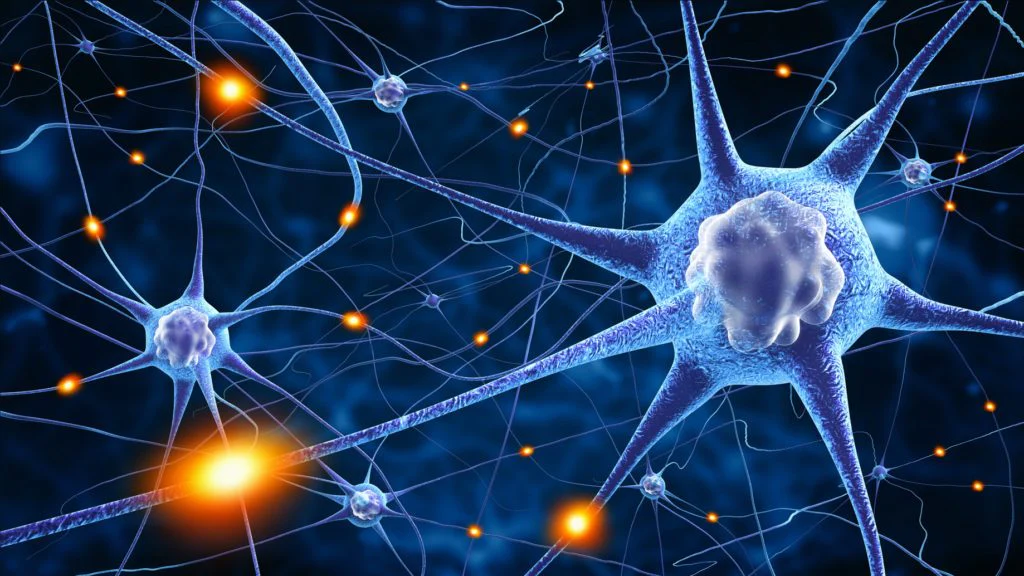
The more I learn about the brain, the more I realize how much my daily emotions depend on tiny chemical messengers called neurotransmitters. At first, I thought feelings like joy, stress, or calm were simply reactions to life’s events. But diving into the science of the neurotransmitters opened my eyes: happiness, sadness, motivation, and even focus are guided by these microscopic signals flowing through the anatomy of the human brain.
For me, it’s humbling to know that serotonin, dopamine, GABA, and other powerful chemicals shape the way I think, love, and connect. They influence whether I wake up motivated, feel anxious in stressful moments, or experience peace during meditation. Protecting my brain health means protecting the balance of these neurotransmitters—through nourishing foods, restful sleep, exercise, and mindful practices.
In this guide, I’ll walk you through 7 powerful ways neurotransmitters influence your mood. Each section is a chance to discover how these invisible messengers affect cognitive clarity, emotional resilience, memory, and overall well-being. My goal is not only to share scientific facts but also to inspire you, just as I’ve been inspired, to take small daily steps that nurture your mind. Because when our neurotransmitters are in harmony, life feels brighter, calmer, and full of possibility.
Contents
- 1. How Neurotransmitters Regulate Everyday Emotions
- 2. The Connection Between Neurotransmitters and Stress Relief
- 3. Why Neurotransmitters Shape Our Motivation and Drive
- 4. Neurotransmitters and the Science of Happiness
- 5. The Role of Neurotransmitters in Sleep and Mental Clarity
- 6. Balancing Neurotransmitters for Emotional Well-Being
- 7. Protecting the Brain: Lifestyle Choices That Support Healthy Neurotransmitters
- Conclusion
1. How Neurotransmitters Regulate Everyday Emotions
When I first discovered how neurotransmitters regulate emotions, I finally understood why my mood can shift so quickly. These chemical messengers act like tiny switches, turning feelings on and off depending on what my brain and body need. For example, when serotonin flows smoothly, I feel calm and balanced, but when it dips, I may feel restless or sad. Recognizing this connection helps me see emotions not as random storms, but as signals from my own biology. Taking care of my brain health means supporting these natural messengers so they can guide me toward emotional stability.
2. The Connection Between Neurotransmitters and Stress Relief
Stress used to feel overwhelming, but learning about neurotransmitters changed my perspective. Chemicals like GABA and serotonin act like natural brakes, calming the nervous system and reducing anxiety. When I meditate, breathe deeply, or even take a short walk, I can feel my brain releasing signals that bring peace. For me, understanding this science gave stress management a deeper meaning—it’s not just about relaxing, it’s about nurturing my brain health. The way neurotransmitters work reminds me that relief is possible, and that small, mindful habits can restore balance to my emotional world.
3. Why Neurotransmitters Shape Our Motivation and Drive
On mornings when I feel unstoppable, I know my dopamine levels are playing their part. This neurotransmitter is central to motivation, reward, and goal-setting. For me, learning about dopamine’s role in the neurotransmitters system explained why small wins feel so satisfying—they trigger a surge of motivation to keep going. When dopamine is balanced, I find it easier to focus, take action, and celebrate progress. Protecting my brain health through regular exercise, good sleep, and fulfilling activities keeps this system in harmony. It’s empowering to realize my drive is deeply tied to the chemistry of my brain.
4. Neurotransmitters and the Science of Happiness

True happiness once felt like a mystery to me, but the study of neurotransmitters gave me clarity. Serotonin, dopamine, and endorphins are often called the “feel-good chemicals,” and they play a massive role in shaping joy. When I laugh with friends or achieve something meaningful, my brain rewards me with these uplifting signals. For me, happiness isn’t just an abstract concept—it’s written into the neurotransmitters of the anatomy of human brain. This knowledge motivates me to make choices—like gratitude, movement, and connection—that naturally encourage my brain to create more joy every day.
5. The Role of Neurotransmitters in Sleep and Mental Clarity
Sleep has always been important to me, but I never knew how closely it was tied to neurotransmitters. Chemicals like serotonin and GABA guide the brain into restful states, while others like norepinephrine help me wake up refreshed. When my sleep suffers, my focus and cognitive clarity fade, leaving me drained. Understanding the neurotransmitters behind rest showed me why consistent sleep is essential for brain health. For me, this means respecting bedtime, limiting screens, and creating calm routines. The better I sleep, the more my brain thanks me with sharper focus, clearer thoughts, and emotional balance.
6. Balancing Neurotransmitters for Emotional Well-Being
I used to think mood swings were just part of life, but now I see that balance in neurotransmitters plays a huge role. Too much dopamine can create restlessness, while too little serotonin may bring sadness. For me, focusing on balance means listening to my body—eating nourishing foods, exercising, and practicing mindfulness. These habits help regulate the chemistry of the anatomy of human brain, keeping my emotions more stable. Supporting brain health is really about creating harmony inside myself. When my neurotransmitters are balanced, I feel grounded, connected, and able to handle life’s ups and downs.
7. Protecting the Brain: Lifestyle Choices That Support Healthy Neurotransmitters
The most valuable lesson I’ve learned is that my daily choices shape how my neurotransmitters function. Eating foods rich in omega-3s, staying hydrated, managing stress, and moving my body all strengthen these vital messengers. For me, it’s comforting to know that I have the power to protect my brain health with simple actions. Instead of relying on quick fixes, I can nurture my mind with long-term habits. Every walk, every deep breath, every moment of gratitude sends a signal to my brain that I care. Protecting neurotransmitters is protecting my joy, focus, and resilience.
Conclusion
After exploring these 7 powerful ways neurotransmitters influence your mood, I feel an even deeper appreciation for the delicate balance inside the brain. Learning how dopamine sparks motivation, serotonin nurtures happiness, and GABA calms the mind has changed the way I look at my own emotions. For me, it’s a reminder that what I feel each day isn’t random—it’s the result of how my brain’s chemical messengers are working together in harmony.
Taking care of brain health means more than just avoiding illness; it means creating the conditions where my neurotransmitters can thrive. Every time I choose nourishing foods, move my body, or practice mindfulness, I’m helping my brain release the right signals for peace and clarity. I’ve realized that even simple habits—like going for a walk in nature or getting enough sleep—can bring powerful shifts in my mood.
The anatomy of human brain is a miracle, and its neurotransmitters are like the secret language that keeps my mind alive. When I honor that language, I unlock greater emotional resilience, focus, and joy. My hope is that you, too, will use these insights to protect your mind and embrace a life filled with balance, strength, and lasting happiness.
References
-
National Institute of Neurological Disorders and Stroke (NINDS). (2025). Brain basics: Know your brain. Retrieved from https://www.ninds.nih.gov/health-information/public-education/brain-basics/brain-basics-know-your-brain
-
National Library of Medicine. (2023). Physiology, Neurotransmitters. In StatPearls [Internet]. Retrieved from https://www.ncbi.nlm.nih.gov/books/NBK539894
-
Cleveland Clinic. (2022, March 14). Neurotransmitters: What They Are, Functions & Types. Retrieved from https://my.clevelandclinic.org/health/articles/22513-neurotransmitters