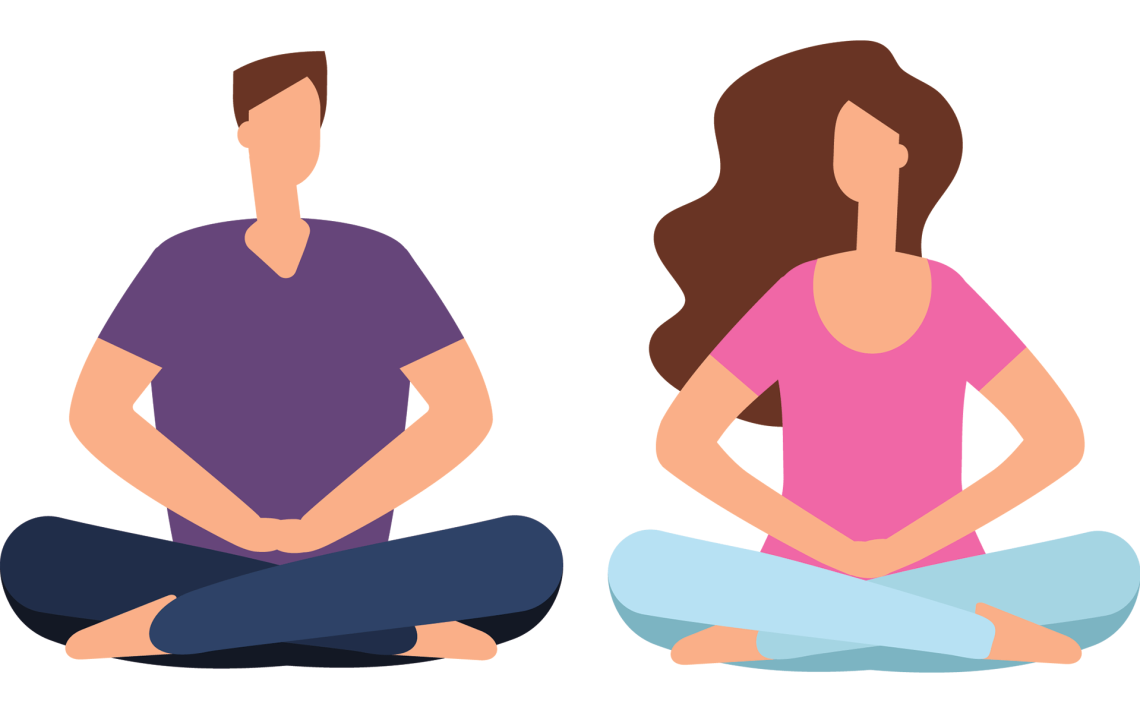
There was a time when I felt like my mind never stopped running. Thoughts, worries, and endless to-do lists kept me restless, and I longed for calm. That’s when I discovered mindfulness and meditation—simple yet profound practices that taught me how to slow down and reconnect with the present moment. For me, these habits felt like opening a window in a crowded room, letting in fresh air and light.
What excites me most is that awareness practices are not about escaping life, but about embracing it with clarity. Even a few minutes of mindful breathing can calm my nervous system and bring me back to balance. Over time, I realized that meditative focus doesn’t require special equipment or long hours—it simply requires intention and consistency.
In this guide, I’ll share 8 proven mindfulness and meditation techniques for inner peace, broken down step by step. Each stage will show how I use small, practical actions—like breathwork, body scans, and daily micro-pauses—to cultivate inner stillness. My hope is that these tools inspire you too, because lasting calm doesn’t come from avoiding life’s challenges but from meeting them with contemplative training and a steady heart.
Contents
- Step 1: Prepare Your Space and Intention for Mindfulness and Meditation
- Step 2: Learn Foundational Breathwork for Mindfulness and Meditation
- Step 3: Practice a Full Body Scan within Mindfulness and Meditation
- Step 4: Use Anchors (Sound, Sensation, Object) to Steady Mindfulness and Meditation
- Step 5: Note Thoughts and Emotions to Deepen Mindfulness and Meditation
- Step 6: Cultivate Loving-Kindness (Metta) through Mindfulness and Meditation
- Step 7: Integrate Walking, Eating, and Micro-Pauses into Mindfulness and Meditation
- Step 8: Build a Sustainable Routine—Timers, Habit Stacking, Journaling for Mindfulness and Meditation
- I Think
- References
Step 1: Prepare Your Space and Intention for Mindfulness and Meditation
When I first began exploring mindfulness and meditation, I didn’t realize how much my environment mattered. A cluttered room often left my mind feeling equally cluttered. For me, preparing a quiet space, lighting a candle, or even just sitting in a clean corner created the right atmosphere. Setting an intention—whether to find calm, gratitude, or clarity—gave my practice a clear direction. These simple awareness practices taught me that creating a ritual around my environment signals my brain to slow down. By preparing intentionally, I found that even a few minutes of practice became deeply restorative.
Step 2: Learn Foundational Breathwork for Mindfulness and Meditation
Breath became my anchor when I first started practicing mindfulness and meditation. I discovered that simply observing my inhale and exhale shifted my state of mind almost instantly. For me, exercises like box breathing or counting breaths created focus and calm at the same time. This kind of mindful breathing reminded me that peace is available in every moment—I just had to notice it. Over time, I felt my meditative focus grow stronger, allowing me to handle stress with more steadiness. Breathwork wasn’t just a technique; it became a bridge to balance and presence in daily life.
Step 3: Practice a Full Body Scan within Mindfulness and Meditation
One of the most grounding techniques I discovered in mindfulness and meditation was the body scan. Lying down or sitting comfortably, I slowly brought my attention from head to toe, noticing each sensation without judgment. For me, this practice revealed how much tension I was holding without realizing it. By scanning my body, I cultivated deeper body awareness and allowed myself to release stress little by little. This exercise reminded me that calm doesn’t always come from the mind—it also comes from reconnecting with the body and creating inner stillness step by step.
Step 4: Use Anchors (Sound, Sensation, Object) to Steady Mindfulness and Meditation
In my early days of mindfulness and meditation, my mind wandered constantly. Anchors like focusing on a candle flame, listening to calming sounds, or feeling the texture of an object helped me steady my practice. For me, these anchors worked as gentle reminders to return when thoughts pulled me away. Using such simple awareness practices gave me a sense of structure without rigidity. Each anchor became a lifeline that drew me back into presence. Over time, this steady focus strengthened my contemplative training and deepened my ability to stay centered.
Step 5: Note Thoughts and Emotions to Deepen Mindfulness and Meditation
I used to resist my racing thoughts during mindfulness and meditation, but learning to “note” them changed everything. Instead of fighting emotions, I simply labeled them—“thinking,” “worrying,” “sadness”—and let them pass. For me, this practice created distance between myself and my mental chatter. It showed me that thoughts and feelings are temporary visitors, not permanent truths. These small acts of emotional awareness reduced my reactivity and helped me cultivate greater inner stillness. By noting instead of resisting, I discovered freedom in simply observing the flow of my mind.
Step 6: Cultivate Loving-Kindness (Metta) through Mindfulness and Meditation
One of the most transformative practices I found in mindfulness and meditation was loving-kindness, or Metta. Silently repeating phrases like “May I be happy, may others be safe” softened my heart in ways I hadn’t expected. For me, this practice dissolved self-criticism and nurtured compassion for others. It was like training my mind to radiate warmth instead of judgment. These moments of contemplative training became emotional medicine, creating inner balance even on hard days. Loving-kindness taught me that peace isn’t just personal—it’s something I can share with the world.
Step 7: Integrate Walking, Eating, and Micro-Pauses into Mindfulness and Meditation
I used to think mindfulness and meditation had to be done sitting still, but then I discovered mindful walking, eating, and short pauses. Paying attention to each step, each bite, or even a sip of water made ordinary moments extraordinary. For me, these mindful pauses created islands of calm in the middle of busy days. They reminded me that presence doesn’t require long sessions; it thrives in small choices. This practice showed me that awareness practices can blend seamlessly with daily life, turning routines into opportunities for balance and clarity.
Step 8: Build a Sustainable Routine—Timers, Habit Stacking, Journaling for Mindfulness and Meditation
The most important lesson I learned about mindfulness and meditation is that consistency matters more than intensity. Creating a routine with simple tools—like setting timers, pairing practice with existing habits, or journaling—helped me stay committed. For me, stacking meditation onto my morning coffee ritual made it automatic. Journaling afterward gave me insight into patterns and progress. These small structures supported my contemplative training and built long-term resilience. Over time, I saw that a steady practice creates lasting inner stillness. It’s not about perfection; it’s about showing up for myself, day after day.
I Think
After practicing these 8 proven mindfulness and meditation techniques for inner peace, I’ve learned that calm is something we can cultivate, not something we just stumble upon. For me, the journey began with preparing a space and learning to breathe mindfully, but over time, it grew into a lifestyle. Each step—whether it was a body scan, noting thoughts, or practicing loving-kindness—added another layer of steadiness to my life.
What inspires me most is how accessible these awareness practices are. Even a few minutes of mindful breathing or a short walk done with intention can shift the mind from chaos to clarity. I’ve noticed that when I stay consistent, my inner stillness strengthens, and I respond to challenges with more patience and less reactivity.
The greatest lesson I’ve found is that mindfulness and meditation are not about perfection or escaping stress. They’re about meeting life as it is, with openness and compassion. By practicing regularly and weaving small pauses into everyday life, I’ve gained a sense of balance that continues to grow. Inner peace, I’ve realized, is not a destination—it’s a daily practice available to all of us.
References
-
American Psychological Association. (2023). Mindfulness meditation: A research-proven way to reduce stress. Retrieved from https://www.apa.org/topics/mindfulness/meditation
-
Mayo Clinic. (2022). Meditation: A simple, fast way to reduce stress. Retrieved from https://www.mayoclinic.org/tests-procedures/meditation/in-depth/meditation/art-20045858
-
National Center for Complementary and Integrative Health. (2022). Mindfulness meditation: What you need to know. U.S. Department of Health & Human Services.