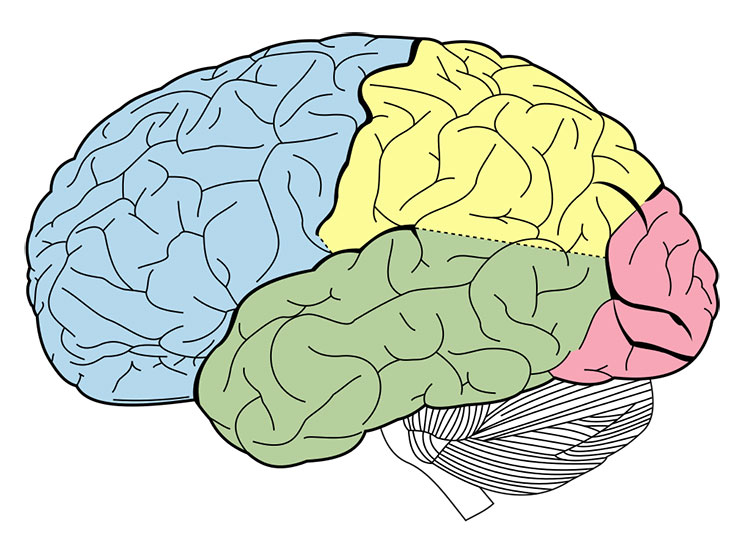
I’ve always been deeply fascinated by the anatomy of human brain. It’s astonishing to realize that this three-pound organ inside our skull holds the power to think, dream, love, and create. The more I learn about it, the more I feel a sense of awe—like exploring an endless universe within myself. For me, understanding the anatomy of human brain isn’t just a scientific curiosity; it’s a way of connecting with the very essence of who we are.
When I first discovered how the brain controls every heartbeat, every memory, and even the emotions that shape my daily life, I understood that caring for brain health is one of the greatest responsibilities I carry. The brain is fragile, yet it is also incredibly resilient, capable of adapting and rewiring through a process called neuroplasticity. This gives me hope, because it means that no matter what challenges I face, my mind can grow stronger and sharper.
In this guide, I’ll share 10 powerful facts about the anatomy of human brain that have inspired me. Each fact reveals something extraordinary—from the role of the cerebrum to the hidden wisdom of the limbic system. My goal is simple: to invite you on a journey where science meets wonder, and where every discovery helps us value and protect our most precious treasure—our brilliant, living mind.
Contents
- 1. Why the Anatomy of Human Brain Is Called the Body’s Command Center
- 2. The Role of the Cerebrum in the Anatomy of Human Brain
- 3. How the Cerebellum Shapes Balance and Movement
- 4. The Brainstem: A Vital Part of the Anatomy of Human Brain
- 5. Gray Matter vs. White Matter in the Anatomy of Human Brain
- 6. How the Anatomy of Human Brain Supports Memory and Learning
- 7. The Limbic System: Emotional Core of the Anatomy of Human Brain
- 8. How Blood Flow Fuels the Anatomy of Human Brain
- 9. The Power of Neuroplasticity in the Anatomy of Human Brain
- 10. Protecting the Anatomy of Human Brain for Lifelong Vitality
- Last Words About Anatomy of Human Brain
1. Why the Anatomy of Human Brain Is Called the Body’s Command Center
When I first studied the anatomy of human brain, I realized why it’s often called the body’s command center. Every movement, thought, and emotion I experience begins here. From the moment I wake up to the time I fall asleep, my brain coordinates breathing, heartbeat, and even the way I interpret the world around me. For me, it feels like a conductor leading a vast orchestra, ensuring every instrument plays in harmony. Understanding this gave me a new respect for my own brain health—reminding me that every healthy choice I make helps protect the core of who I am.
2. The Role of the Cerebrum in the Anatomy of Human Brain
The cerebrum is the largest part of the anatomy of human brain, and it’s where so much of life happens. It’s the place that shapes my ability to reason, imagine, and make decisions. Every creative thought, every memory of a loved one, every problem I solve is linked to this powerful structure. When I think about the cerebrum, I imagine it as the canvas where all of my experiences are painted. Caring for my brain health means keeping this canvas clear and vibrant, so I can continue to dream boldly and navigate the world with confidence.
3. How the Cerebellum Shapes Balance and Movement
I never used to think about my cerebellum until I learned how vital it is in the anatomy of human brain. This smaller structure, tucked under the cerebrum, is what allows me to walk, dance, and even write without constantly thinking about every move. For me, the cerebellum feels like the silent guardian of my balance and coordination. It’s humbling to realize how much I rely on it just to stand upright or ride a bike. Protecting my brain health also means protecting the cerebellum, because it’s what lets me move freely through life with grace.
4. The Brainstem: A Vital Part of the Anatomy of Human Brain
The brainstem is one of the most fascinating areas of the anatomy of human brain, and I often think of it as the bridge between life and awareness. It controls the basics—breathing, heartbeat, and digestion—without me ever having to command it. For me, this is truly powerful: while I’m asleep or even distracted, my brainstem quietly keeps me alive. When I reflect on this, I feel grateful for the unseen work happening inside me every second. Supporting my brain health means honoring this vital part that never takes a break, not even for a moment.
5. Gray Matter vs. White Matter in the Anatomy of Human Brain

Learning about gray matter and white matter in the anatomy of human brain opened my eyes to its complexity. Gray matter is where thinking, memory, and decision-making occur, while white matter connects everything, carrying signals across the brain like highways. For me, it’s like a city: gray matter is the bustling neighborhoods, and white matter is the roads that keep them alive with communication. Both are essential for strong brain health. Realizing this taught me that balance matters—not just in life, but also inside my own head. Each part has a role in my clarity and growth.
6. How the Anatomy of Human Brain Supports Memory and Learning
When I reflect on the anatomy of human brain, I see it as the foundation of every memory I hold dear. The hippocampus, a small yet powerful structure, acts like a library, storing and retrieving knowledge whenever I need it. Learning a new skill, recalling a childhood moment, or simply remembering a name all depend on this network. For me, it’s magical to realize that every new connection strengthens my brain health. It reminds me that I can actively build a stronger memory by reading, practicing, and staying curious—because my brain loves to grow.
7. The Limbic System: Emotional Core of the Anatomy of Human Brain
In the anatomy of human brain, the limbic system is where emotions truly come alive. I often think of it as the heart of my inner world—the place where joy, fear, and love are born. The amygdala processes my fears, while the hippocampus ties feelings to memories, shaping how I respond to life. For me, understanding this helped me see my emotions differently: not as weaknesses, but as signals from my brain. Protecting brain health means nurturing the limbic system with compassion, gratitude, and balance. It’s here that my humanity finds its deepest voice.
8. How Blood Flow Fuels the Anatomy of Human Brain
The more I learn about the anatomy of human brain, the more I realize how vital blood flow is. Our brain consumes about 20% of the body’s oxygen and nutrients, even though it’s such a small organ. When I exercise or simply breathe deeply, I imagine fresh energy rushing to every neuron, fueling focus and clarity. For me, this connection is inspiring—it shows that caring for my body directly uplifts my brain health. By staying active, eating heart-healthy foods, and managing stress, I’m not just protecting circulation; I’m nourishing the very core of my mind.
9. The Power of Neuroplasticity in the Anatomy of Human Brain
The concept of neuroplasticity is one of the most inspiring discoveries in the study of the anatomy of human brain. It means my brain can rewire itself, adapt to challenges, and create new pathways, no matter my age. For me, this is empowering—because it tells me I’m never stuck. When I practice new skills or embrace change, I’m actually reshaping my brain. This realization fills me with hope and reminds me that brain health is dynamic, not fixed. With every challenge, my brain is building resilience, teaching me that growth is always possible.
10. Protecting the Anatomy of Human Brain for Lifelong Vitality
The more I understand the anatomy of human brain, the more I feel responsible for protecting it. Lifelong vitality doesn’t just happen—it’s built through daily habits like good sleep, balanced nutrition, and emotional care. For me, this isn’t just science; it’s a promise I make to my future self. Every mindful choice I make today safeguards my memory, focus, and creativity tomorrow. Protecting brain health means honoring the most precious gift I’ve been given. When I nurture my brain, I know I’m investing in a life filled with clarity, joy, and lasting resilience.
Last Words About Anatomy of Human Brain
As I finish exploring these 10 powerful facts about the anatomy of human brain, I can’t help but feel a deep sense of wonder. This organ—just a few pounds of tissue—holds every dream, memory, and idea I have ever known. The anatomy of human brain is not only a subject of science but also a reminder of how extraordinary human life truly is.
For me, learning about the cerebrum, the cerebellum, the limbic system, and even the quiet work of the brainstem has been transformative. It showed me that brain health is a gift that requires daily care. Every healthy meal, every mindful breath, every good night’s sleep becomes an investment in my future clarity and focus.
What inspires me most is the brain’s ability to change through neuroplasticity. The anatomy of human brain proves that we are not fixed beings—we are works in progress, capable of growth and healing at any stage of life.
This guide was my way of walking through the hidden universe inside our heads, step by step. I hope these insights help you, as they helped me, to honor your mind and protect it with love. Because when we nurture brain health, we unlock not only intelligence but also joy, resilience, and a brighter tomorrow.
References
-
Bear, M. F., Connors, B. W., & Paradiso, M. A. (2020). Neuroscience: Exploring the Brain (4th ed.). Philadelphia: Wolters Kluwer.
-
National Institute of Neurological Disorders and Stroke (NINDS). (2023). Brain Basics: Know Your Brain. U.S. Department of Health & Human Services. Retrieved from https://www.ninds.nih.gov
-
Purves, D., Augustine, G. J., & Fitzpatrick, D. (2018). Neuroscience (6th ed.). Oxford University Press.